
Optimize Your Google Business Profile for More Local Calls
The storefront homeowners see first
Google Business Profile
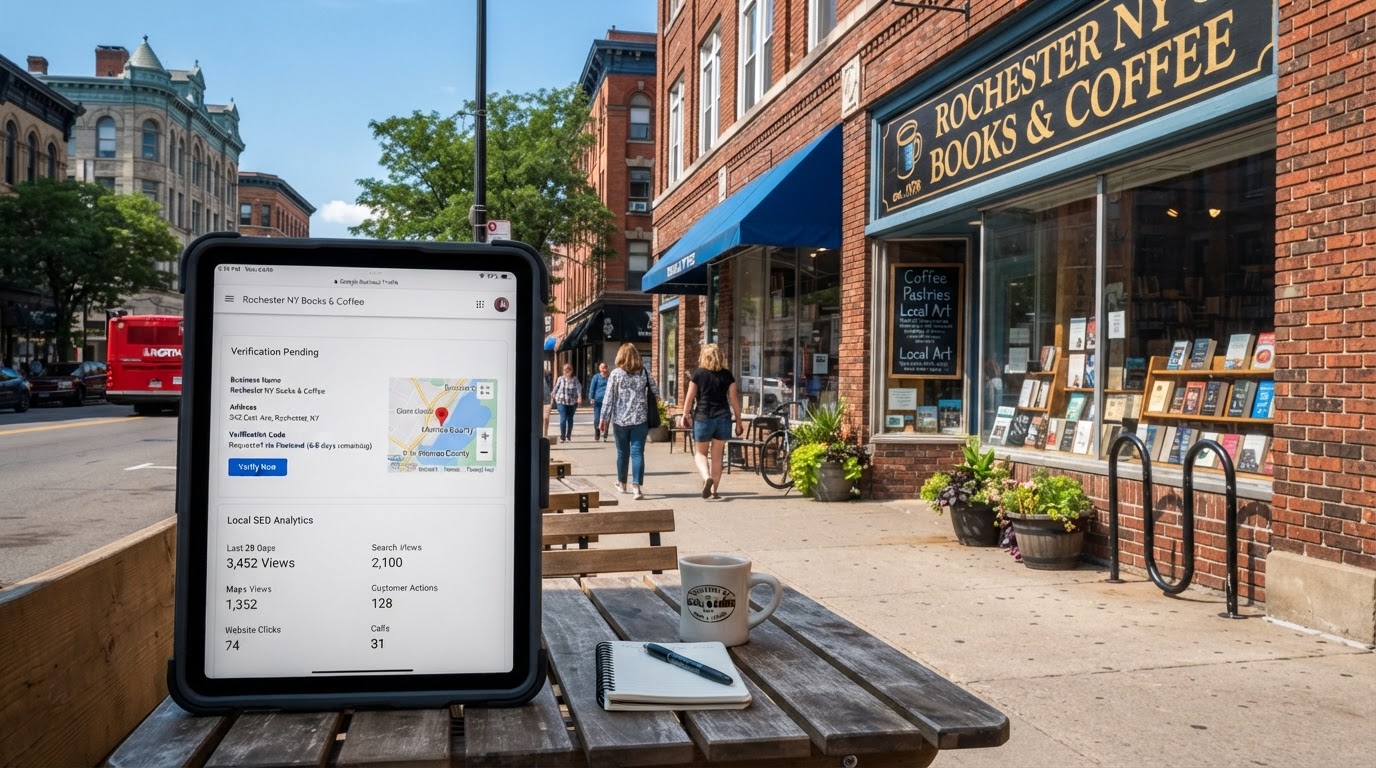
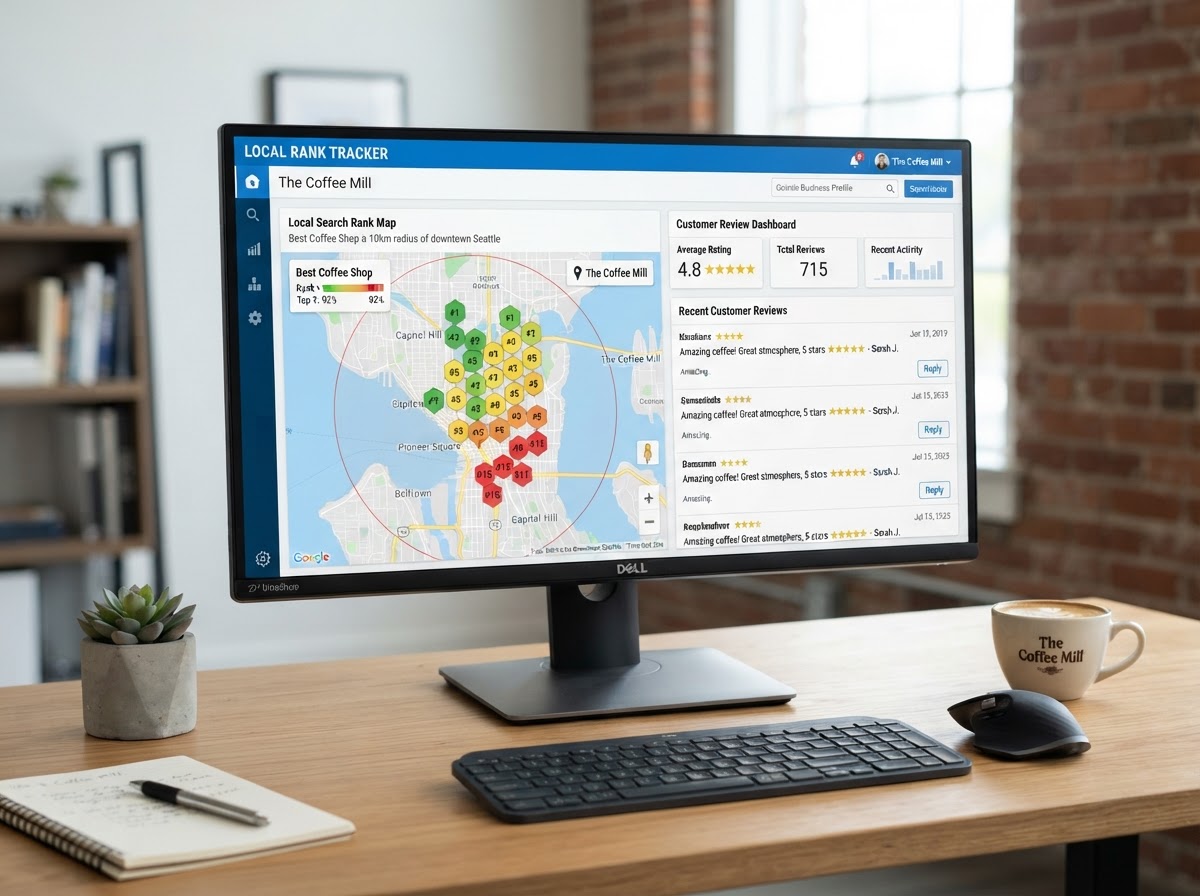
Your Google Business Profile is the storefront homeowners see first. When a furnace quits in January, the closest shop with a complete profile and fresh reviews wins the call. As a google business profile contractor, that listing is the only one that matters. If you've asked yourself how do I optimize my google business profile for a contracting business, it isn't a mystery. Pick the right service categories, load in real job photos, post a weekly update, and keep reviews coming. We do all of it for you, so you hold the top spot in the Map Pack when someone searches for emergency help. And what is the best way to get more google reviews as a contractor? Ask the moment the job is done, while the customer is still happy, with a text link they can tap in five seconds. We automate that too.
How We Build & Run This System
We start by looking at how work moves through your business today: where inquiries come in, how fast they get answered, what happens to a quote after it goes out, and where jobs stall. Then we replace the manual steps that depend on you with automated ones that do not.
Every piece is set up around your real service areas, your trade, your pricing, and your schedule. We handle the technical setup, the carrier registration for business texting, the dispatch calendar, and the review campaigns so your team can stay on the work in the field.
Once it is running, you can see where every lead came from, which quotes are sitting open, and where revenue is being lost. That visibility is what lets you fix the next leak instead of guessing at it.
Steady flow of organic, high-intent local calls without paying for Google Ads.
Go deeper on your Google Business Profile
Your Google Business Profile is one piece of the full system. It is the storefront homeowners see first when they search for emergency help. revenue operating system for trade businesses ties it together.
Explore the operating system Pricingsee the retainer tiers to compare Foundation, Growth, and Command.
See the retainer tiers Go DeeperWhat is a Google Business Profile?. A plain-English definition of a GBP and why it drives Map Pack calls.
Read moreGoogle Business Profile & Google Reviews for Contractors
Direct answers about optimizing your GBP and getting more Google reviews.
To optimize your Google Business Profile as a contractor and get more Google reviews, start by selecting the correct primary and secondary service categories, filling out every field including service areas and hours, uploading real job photos weekly, and posting regular service updates. Then enable automated review requests tied to completed jobs so fresh Google reviews flow in consistently. North & Nova handles all of this as a done-for-you service, including weekly posts, Q&A management, and professional review responses within 24 hours. Read our full Google Business Profile definition for what each field does.
You should post on your Google Business Profile at least once per week with a service update, photo, or special offer. Google rewards active profiles with better Map Pack visibility, and weekly posts signal that your business is operational and engaged. North & Nova posts weekly service updates and uploads fresh job photos as part of our GBP management, so your profile stays active without any owner effort.
Yes. Your Google Business Profile is the single biggest factor in Map Pack ranking. A complete, active profile with fresh photos, weekly posts, consistent reviews, and accurate service areas signals to Google that your business is relevant and trustworthy for local searches. Optimizing your GBP is the first and most impactful step in ranking in the Google top 3 for your trade. See our local SEO for service businesses page for how GBP work connects to the rest of local ranking.
The most effective way to get more Google reviews is to automate the request so it sends via SMS within 15 minutes of job completion, while the customer is still happy. Every customer gets the same direct link to your review form, no matter how the job went. When a low score comes in, the owner gets a parallel alert so they can call the customer and make it right. That is the compliant, non-gating approach Google expects, and it is what our reputation management for local business system runs by default. Google reviews flow in without any manual owner effort.
Ready to see which systems your shop is missing?
In 15 minutes, we review your current website, Google profile, lead follow-up, and point out the leaks where money is falling through the cracks.